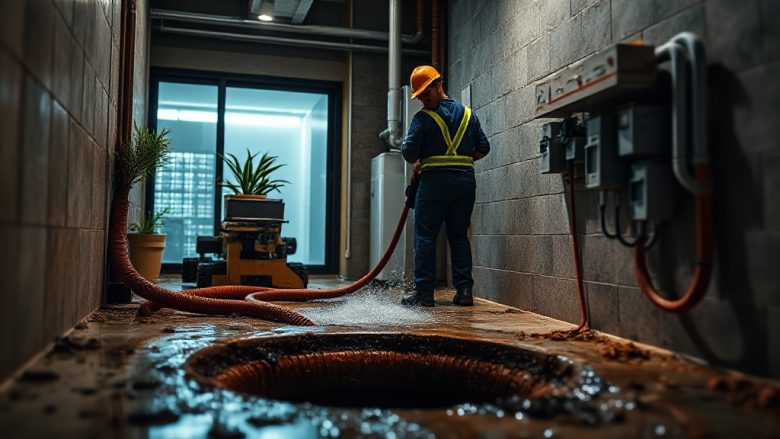
Clogged Drain in Paulínia? How to Set Up a Desentupidora em Paulínia SP Service That Actually Shows Up
It is 7:40 on a Tuesday morning in the Jardim Planalto neighborhood of Paulínia, and the kitchen sink has been draining slower for three days. By 7:45, water is backing up into the shower, and by 8:00 you are on your phone searching for a desentupidora em Paulínia SP that can arrive before the situation turns into a flooded laundry room. That is the moment this setup matters: you do not need a list of every plumber in the region, you need one reliable contact saved and a clear idea of what to say when you call.
This is the scenario walkthrough I wish someone had given me before my first emergency. We will set up a single primary provider, confirm the details that actually affect response time, and then look at how the same approach changes for a rented apartment, a condominium, or a small business. The goal is not to memorize phone numbers — it is to build a repeatable routine so the next blockage costs you an hour, not a weekend.
Step 1: Pick one primary provider and verify the basics
The first mistake people make is saving five different numbers and calling whichever one answers first. In an emergency, you want one number you have already vetted, with a backup only for the rare case when the primary cannot respond. For most residents of Paulínia, a regional emergency hydraulic company based in São Paulo is the practical choice because it can dispatch a truck with professional equipment rather than a handyman with a manual auger.
When you shortlist a provider, verify four things in a single phone call: whether they operate 24 hours, whether they serve Paulínia specifically, what equipment they bring for sewage versus sink lines, and whether the price includes the call-out or is quoted after inspection. A company that handles emergency calls around the clock should be able to give you a realistic arrival window, not a vague “we will try.”
What to have ready before you dial
Preparation cuts the call in half. Before you call, note the address with a landmark, the type of blockage (sink, toilet, floor drain, or main sewage line), whether water is backing up in more than one fixture, and whether you are in a house or a building with a shared stack. If you rent, have the landlord or property manager’s contact at hand because authorization for certain interventions may be needed.
Also check whether the blockage is inside your unit or in the common line. A single slow drain is usually a local clog; water rising in the shower when you flush the toilet points to a main line issue that may require the building’s maintenance team. Telling the dispatcher this distinction helps them send the right crew and equipment.
Questions that reveal a serious operator
A professional operator will ask you about the age of the plumbing, whether there have been previous blockages in the same spot, and whether there is a grease trap or septic tank on the property. They should also explain the difference between clearing a line with a rotating cable and using high-pressure hydro jetting for stubborn grease or roots. If the person on the phone cannot describe the method, that is a warning sign.
Finally, ask for a written confirmation of the service window by message. This creates a record and reduces the chance of a no-show. It is a small step that separates a professional dispatch from an informal arrangement.
Step 2: Understand the service types so you request the right one
Not every blockage is solved by the same tool, and asking for the wrong service can waste a visit. The table below summarizes the common situations in Paulínia homes and small businesses and the service that typically fits. Use it as a quick reference when you are on the phone.
| Situation | Typical service | What to expect |
|---|---|---|
| Slow kitchen or bathroom sink | Drain clearing with cable or manual tool | Short visit, often under an hour |
| Recurring grease clog in a restaurant or commercial kitchen | Hydro jetting of the grease line | Requires a truck with high-pressure pump; longer setup |
| Toilet overflowing or backing up into other fixtures | Sewage line clearing | May need access to inspection boxes or the main cleanout |
| Septic tank full or slow percolation | Septic tank pumping and cleaning | Scheduled service, not an emergency; confirm disposal compliance |
| Foul odor from floor drains in a condominium | Preventive drain maintenance and trap cleaning | Often a building-wide issue; coordinate with the síndico |
When you call a desentupidora Paulínia, describe the symptom rather than guessing the service name. A good dispatcher will translate “water comes up in the shower when I run the washing machine” into the correct procedure. That is more reliable than choosing from a menu yourself.
Residential versus commercial requests
In a house, the crew usually works from a cleanout or a floor drain and can finish in one visit. In a commercial kitchen, the grease line may need hydro jetting plus a follow-up schedule to prevent recurrence. If you manage a small café or a lanchonete, ask whether the provider offers a preventive maintenance plan; routine jetting is cheaper than closing for a day after a backup.
Septic tank calls need a different checklist
Properties outside the central sewage network rely on septic tanks. Pumping is not an emergency service in the same way a blocked drain is, but it must be done by a company that handles disposal according to local rules. Ask where the waste goes and whether you receive a receipt. Do not accept a verbal assurance alone.
Step 3: Adapt the setup for rentals, condominiums, and businesses
The core routine — one vetted number, a prepared description, and a written service window — works everywhere, but the variations matter. Here is how the setup changes depending on your situation.
If you rent your home
Call your landlord or property manager first, even in an emergency. In many rental agreements, the tenant is responsible for clogs caused by misuse, while structural or main-line problems fall to the owner. A quick message documenting the problem protects you. Then call the provider and mention that you are a tenant; the crew may need authorization to open inspection boxes or access common areas.
Keep a copy of the service report. If the blockage was caused by roots or a collapsed pipe, that document supports the owner’s repair claim and prevents the cost from being attributed to you.
If you live in a condominium
In a building, the síndico or the administradora is the right first contact for anything beyond your own unit. A single slow drain can be handled privately, but water backing up across multiple apartments usually means the shared stack is blocked. The building’s maintenance contract may already include a preferred provider, and using it keeps responsibility and cost allocation clear.
If you are the síndico, save a desentupidora Paulínia SP contact in the building’s emergency sheet and confirm that the company can access the prumadas and caixas de inspeção. During a nighttime backup, having that information ready avoids a chaotic search through old paperwork.
If you run a business
Commercial properties need a preventive angle. A restaurant, bakery, or salon that waits for a backup loses revenue and may face health inspection issues. Set a recurring inspection for grease lines and floor drains, and keep the emergency number posted near the kitchen. When you call, state your business type and whether the line serves a grease trap, because that changes the equipment and the time required.
Step 4: Avoid the common mistakes and close the loop after service
Most bad experiences with drain services come from a few predictable errors. The first is calling the cheapest number without asking about equipment. A manual auger can punch a hole through a grease clog, but it leaves most of the blockage in place, and the problem returns in weeks. Paying for the correct method once is cheaper than three partial fixes.
The second mistake is ignoring the cause. If the same drain clogs every few months, the issue may be a broken pipe, root intrusion, or insufficient slope — not just accumulated grease. Ask the technician to note what they found and whether a camera inspection is warranted. A written report with that observation is valuable for future decisions.
The third mistake is skipping prevention. Simple habits — not pouring cooking oil down the sink, using drain strainers, and flushing lines periodically — reduce emergencies significantly. For businesses, a scheduled hydro jetting routine is the equivalent of an oil change: unglamorous, but it prevents the breakdown.
After the service, confirm three things before the crew leaves: that water drains freely in all affected fixtures, that the work area is clean, and that you have a receipt or service order describing what was done. If the provider offered a warranty on the clearing, note its duration. Then save the number in your phone under a clear name so the next call takes seconds, not a search.
The setup is complete when the next blockage starts with a calm call instead of a panic. One vetted provider, a short description of the symptom, a written arrival window, and a quick post-service check turn a stressful event into a routine maintenance task. That is the practical difference between reacting to a flood and managing a household.